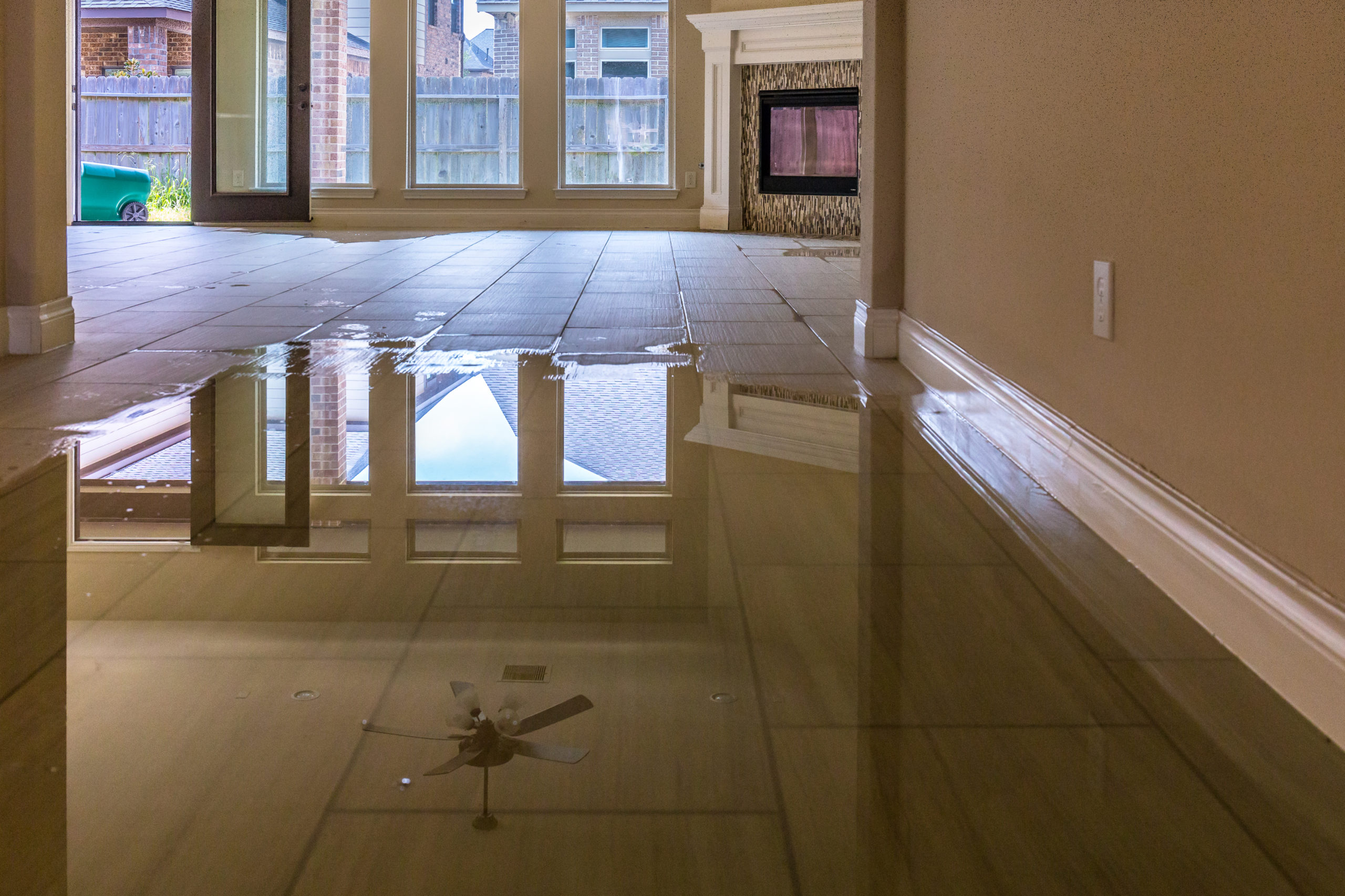
The tiles are waterproof, right? This is a question most people ask themselves when faced with the possibility of having to replace the surface of a house tile due to flood damage. However, even the best tiles are not completely impermeable to floods, as evidenced by the inhabitants of Sarasota’s coastal floodplains.
First, many consumers misunderstand that all tiles are designed the same, but this cannot be far from the truth. If you are in the new tile market and expect the location of the tile to be exposed to large amounts of water, ask the tile supplier if the tile is glassy or waterproof. If the tile is classified only as semi-glassy, or worse, non-glassy, it is not suitable for excessive water exposure. For example, porcelain stone tiles are classified as impermeable because the density of these tiles almost completely prevents moisture absorption (0.001% to 0.5% water absorption).
Why is water absorption an important factor? Low-density tiles that absorb water can become a breeding ground for bacteria and mold and pose a health risk. This growth can also grow slimy residues on the tile, which raises safety issues. For areas of the home that you do not expect to be exposed to large amounts of water, such as kitchen backboards, semi and nonvitreous tiles can work just fine, but they will still require regular cleaning and maintenance just like any other home surface.
Another factor that customers often overlook when installing tile is the proper sealing of the grout. Improperly sealed grout can be just as bad as completely unsealed grout. When the grout has not been sealed, water can seep into the grout and then in between the tiles and the adhesive holding the tiles in place. This can cause tiles to detach from the adhesive and the grout, becoming loose. The tiles may actually be loose without visibly moving. In this case, the tile usually resonates when struck by a coin or other hard object. The tile does not move, but rises from the adhesive surface, creating a cavity that echoes the sound waves of the impact. If the floor has loose or “hollow” tiles, this is one of the early indicators of serious flood damage.
Another good sign that water has penetrated the grout is when the grout is stubbornly discolored and difficult to clean.
Some of the top warning signs to watch out for for floods are:
Loose or hollow sound tiles
Discolored mortar
Slime or mold formation
Sometimes, if the flood is the result of a slow and steady leak, for example, under a bathroom or kitchen sink, or under a washing machine, the flood will progress enough to be noticed by the homeowner. It can take months or years.
Using the right kind of tile for the right areas of the home and making sure your grout is properly sealed can severely mitigate the risk of water damage to your tile floors, but even the best tiles installed using the best workmanship can fail if exposed to severe or unsanitary flooding.
Unsanitary flooding is normally caused by events such as severe natural floods which bring outdoor bacteria, dirt, and debris into the house and allows deposits to settle on the floor.
The sheer number of potentially harmful chemicals, bacteria, and waste that can be swept into the home by a flood is too large to comprehensively list all specifics, but includes:
Soil, grass and other plant matter
Insect and animal matter/carcasses
Industrial waste/corrosive chemicals
Sewage from overloaded local mains
Trash
The debris left by a flood provides bacteria and mold with an ideal breeding environment in which to multiply. This can destroy event the most resilient tile floors. For people living along the coastline of Sarasota, this is a very real threat during hurricane season.
Of course, natural wrath is not the only potential source of unsanitary water. A perfectly normal plumbing problem, such as a flood of toilets, can cause havoc on otherwise impeccable tile floors.
If all precautions have failed and you find that your home has been extensively flooded, consider the following tips when cleaning, repairing, or replacing damaged tiles.
Do not enter the house until you are sure it is safe. Water and your home’s electrical system can be a dangerous combination, so avoid the risk until an expert decides it’s safe to return. Ventilate your home. Open the doors and windows to let in air. Or, if it’s not wet, you can turn on the fan in your house and turn on the air conditioner (realtytimes.com recommends turning on cold air in the summer and hot air in the winter). The increased air flow supports the drying process. Do not vacuum any floor until the drying process is complete. Most off-the-shelf vacuum cleaners are not designed to handle excessive moisture loads, and even a single damp vacuum cleaner is not enough to clean the entire house. Using electric consumer items in a wet home is highly dangerous, and should be avoided. Use large beach towels to blot out standing pools of water and wet spots on the carpet. If possible, mop the floors to lessen the chances of bacteria, mold, and mildew setting in. Take any removable rugs out of your home. Let them dry outside and check to see if they are salvageable later. While these heavy water sponges sit in your home bleeding humidity, the drying out process is slowed. After your home has been dried out, check to see if your existing tile is salvageable. In the instance of a severe flood, this